

240128080157.png)

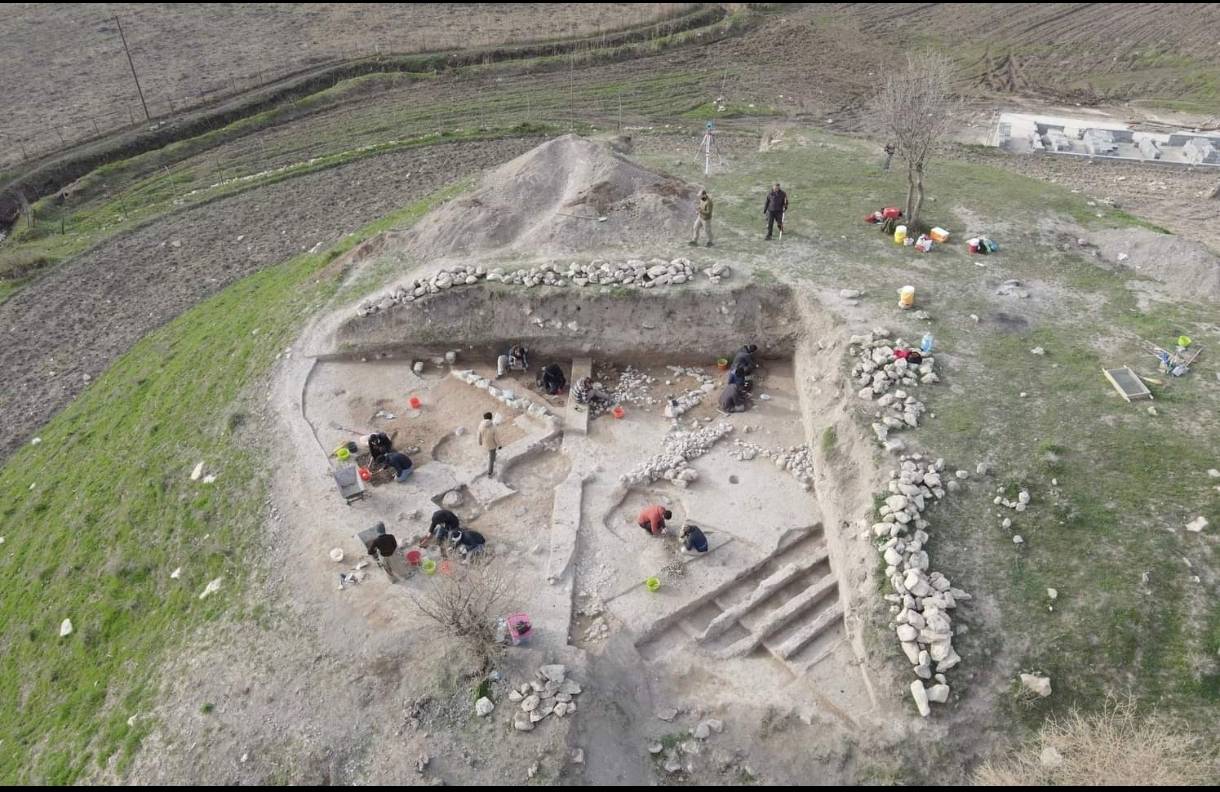
10,000 years ago one of the earliest villages on the Shahrizor Plain was built and lived in at the nearby settlement mound of Bestansur
Early Settled Communities
10,000 years ago one of the earliest villages on the Shahrizor Plain was built and lived in at the nearby settlement mound of Bestansur. At that time communities were developing new ways of living that form the foundation of our lives today. Communities were changing from mobile hunter-gathering ways of life to larger communities living in well-built mud brick houses supported by early agriculture, growing crops and managing and domesticating animals, while continuing to use a wide range of wild plant and animal resources.
The site was first surveyed by the Iraqi Directorate of Antiquities and Heritage in 1943. From 2012 large scale archaeological excavations have been conducted by a joint team from Slemani Directorate of Antiquities and Heritage, and the University of Reading, UK.
Abundant Water and Biodiverse Environments
The large spring here is fed by clear underground waters from the mountains. These plentiful waters and the fertile soils and hills have provided bio diverse environments for people, plants, and animals for many thousands of years.
This area attracted the earliest farmers here 10,000 years ago. They fished, hunted wild boar and harvested reeds in the marshes and river. They grew crops, herded goat and gathered wild plants and snails on the plain and hilly slopes.
Today only 4% of the total mammal biomass on the planet is wild. To preserve these rich water-supplies, farmlands and wildlife, we need to protect them from climate change, pollution and other threats.
Daily Life in the Neolithic
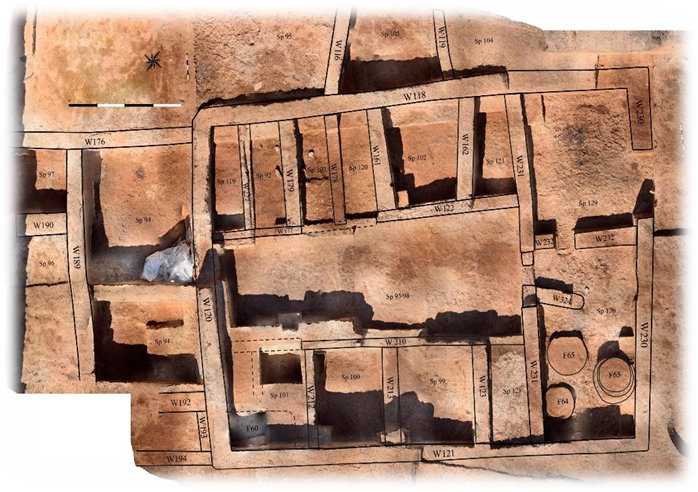
The people who first lived here made their houses from mud bricks and built clay ovens to cook their food and keep warm. They used large pestles and mortars to grind plants, nuts, and grain, and they shaped tools and knives from chert and obsidian (volcanic glass). People harvested reeds from the river to make baskets and mats. They used bone needles to sew materials such as animal skins, often using their teeth as a ‘third hand’.
People were connected 10,000 years ago through networks of communities who exchanged materials, technologies, and ideas. The Neolithic villagers of Bestansur used locally available materials for everyday life and resources from hundreds of kilometers away. At Bestansur we find stones such as obsidian and carnelian from Türkiye and Iran, and shells from the Red Sea.
People in the Neolithic village used natural materials for their daily life and repaired objects when they broke. Such practices were more sustainable and better for the environment than the plastics that we use today and then throw away.

