language
En Ku Ar

Image Title calendar2024-03-28

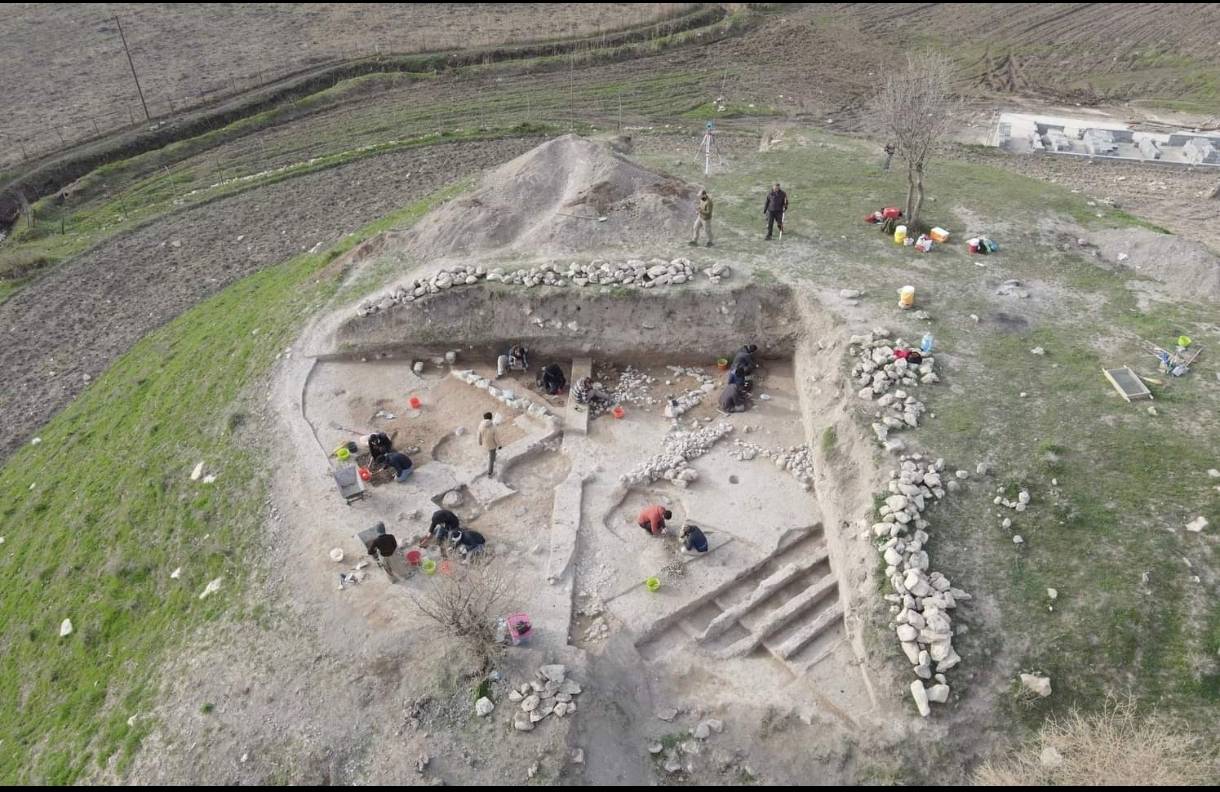
PRELIMINARY REPORT OF THE CHARMO (JARMO) PREHISTORIC INVESTIGATIONS, 2022

The archaeological mission from the University of Tsukuba began to investigate the Neolithic sites in the Iraqi-Kurdistan region in 2014. The purpose of our investigations was to reconsider the issue of Neolithization in Iraqi-Kurdistan, where research began in the 1940s and 50s and was stalled by political issues starting in the 1960s. With the full support of the Directorate General of Cultural Heritage of the Ministry of Culture of the Kurdistan Regional Government and the Slemani Department of Cultural Heritage, we first began our research at the Qalat Said Ahmadan site, located in the Pshdar Plain. We were able to identify the cultural deposits of the end of the Pre-Pottery Neolithic period, those of the Hassuna, Samarra, Halaf, Ubaid, and Iron Age, and have clarified the nature of the Neolithic site located at the edge of the fan deposits [Tsuneki et al. 2015, 2016, 2019].

Image Title calendar2024-01-11

New exhibition of the archaeological investigations at Gird-i Yasin Tepe

The site is one of the largest tell-type sites in the Slemani Governorate and contains rich archaeological remains from the Neolithic to the Islamic periods.

Image Title calendar2024-01-11

Residential project in Chwartaq district

In the Chwartaq district, there is a residential project. As per the Guidelines for the Implementation of the Law on The Management and Preservation of Heritage the Kurdistan Region of Iraq No. 5 of 2021, which were published in Al-waqa'a Al-iraqiya Newspaper (306), Number (23) on 14/7/2023, Article (10) and paragraph (3) state that if the land area for a commercial project exceeding more than (10 Acres), a test pit needs to be excavated to determine if the land is an archaeological site or not.

Zarzi was used by groups of hunter-gatherers between 18,000 and 14,000 years ago.
Article Name

The cave here at Zarzi was used by groups of hunter-gatherers between 18,000 and 14,000 years ago.


Early Communities


The cave here at Zarzi was used by groups of hunter-gatherers between 18,000 and 14,000 years ago. Zarzi Cave was excavated by Dorothy Garrod in 1928 and by Iraqi archaeologist Ghanim Wahida in 1971. 
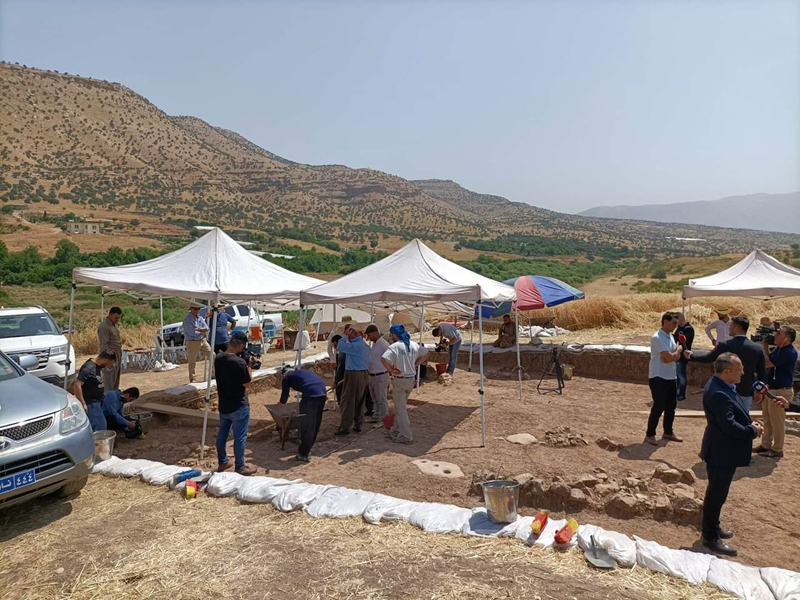
After the cave was abandoned at the end of the last Ice Age, communities in this valley built stone buildings at Zawi Chemi Razan and used large grinding stones used for preparing food. The site was discovered during a survey in 2013 and excavated from 2022 by the University of Reading in collaboration with Sulaimani Directorate of Antiquities and Heritage. 
The people who sheltered inside Zarzi Cave ate wild sheep, goat, gazelle, tortoise and fish. As today, the valley is rich in plant and animal wildlife, attracted by the abundant fresh water of the Chemi Razan River.
To preserve these rich water supplies, farmlands and wildlife, we need to protect them from climate change, pollution and other threats.